How can fly fishers help protect wild trout streams?
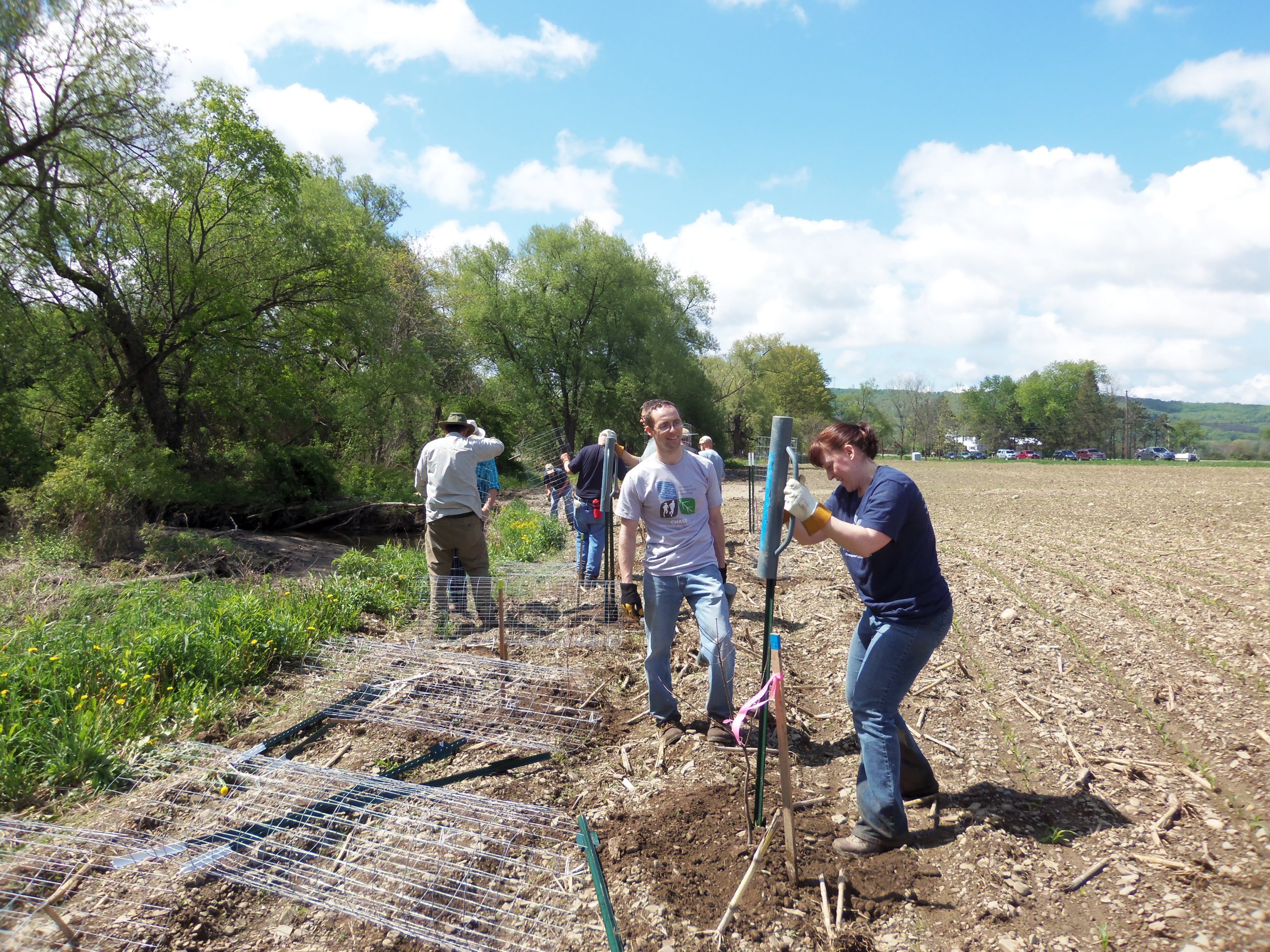
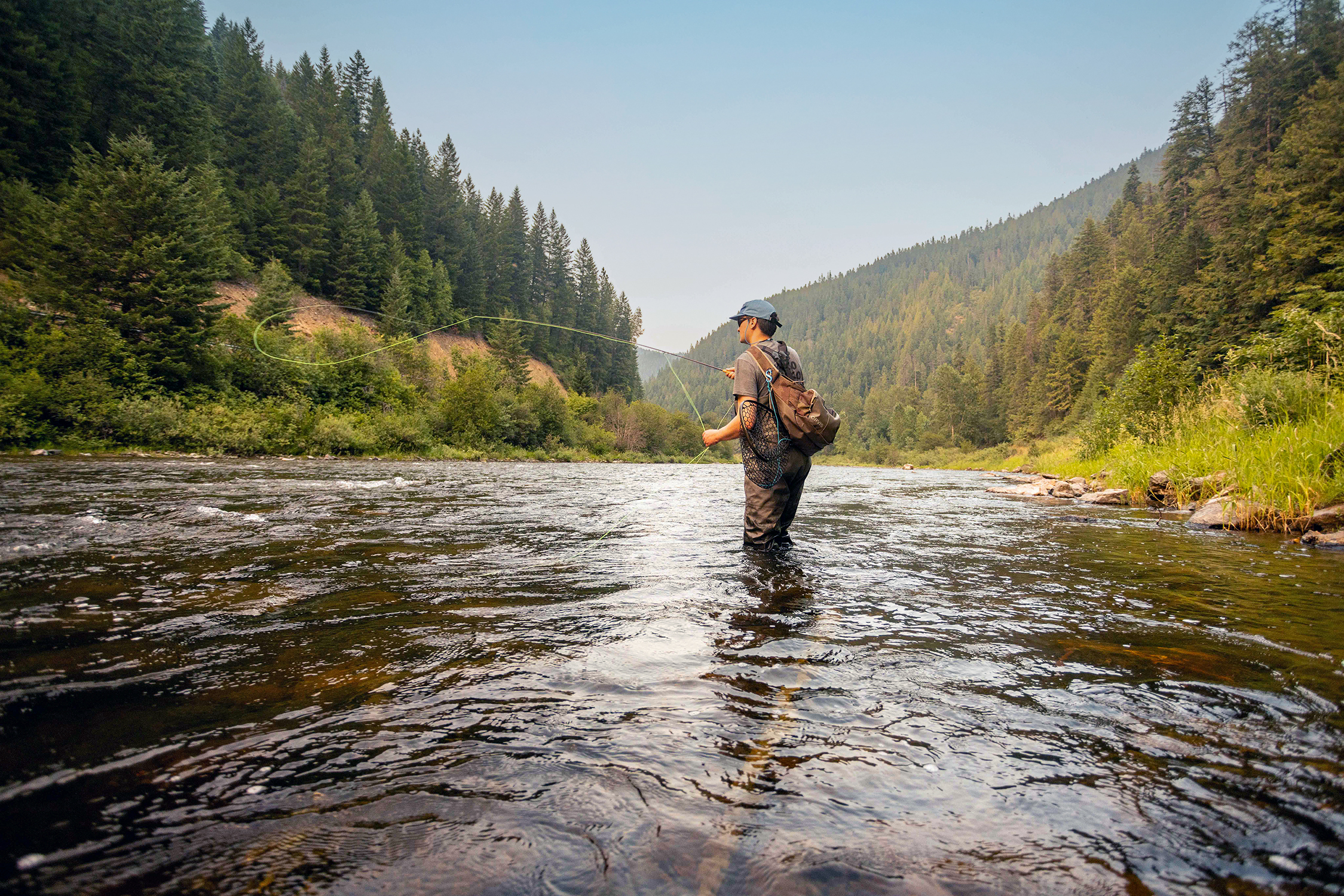
Fly fishers are among the most active stream conservation advocates in the country. Key actions include supporting Trout Unlimited and local watershed organizations, practicing catch-and-release on wild trout waters, reporting pollution or illegal activity to your state fish and game agency, removing invasive species when observed, and advocating for cold-water habitat protections in land use and water allocation decisions.
What is the impact of dam removal on trout and salmon populations?
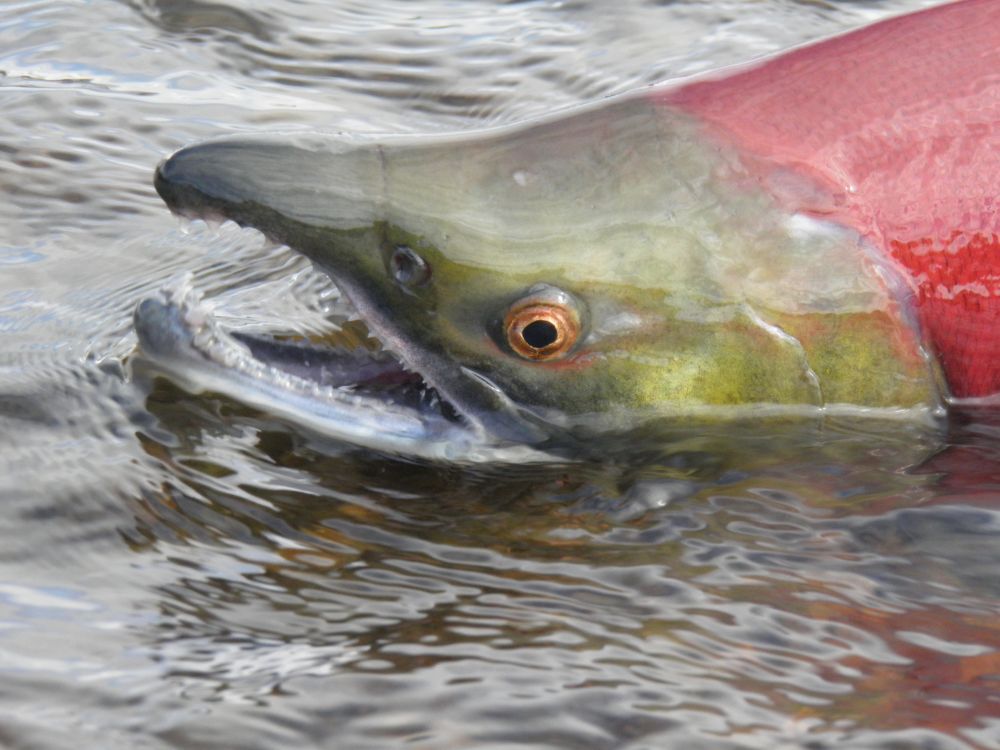
Dam removal is one of the most effective tools for restoring wild fish populations. Removing dams reconnects spawning habitat, restores natural sediment flow, improves water temperature, and allows migratory species like salmon, steelhead, and sea-run brook trout to access historic spawning grounds. Michigan's Boardman River and California's Klamath River are landmark examples of successful dam removal benefiting wild trout and salmon.
What is Trout Unlimited and what does it do for fly fishing?
Trout Unlimited (TU) is the leading cold-water conservation organization in the United States, with over 300,000 members and 400+ chapters nationwide. TU works to protect, restore, and sustain wild trout and salmon fisheries through habitat restoration projects, policy advocacy, volunteer stream monitoring, and youth outreach. Many of the country's finest wild trout streams owe their current quality to decades of TU advocacy and on-the-ground restoration work.
How does climate change affect trout streams and fly fishing?
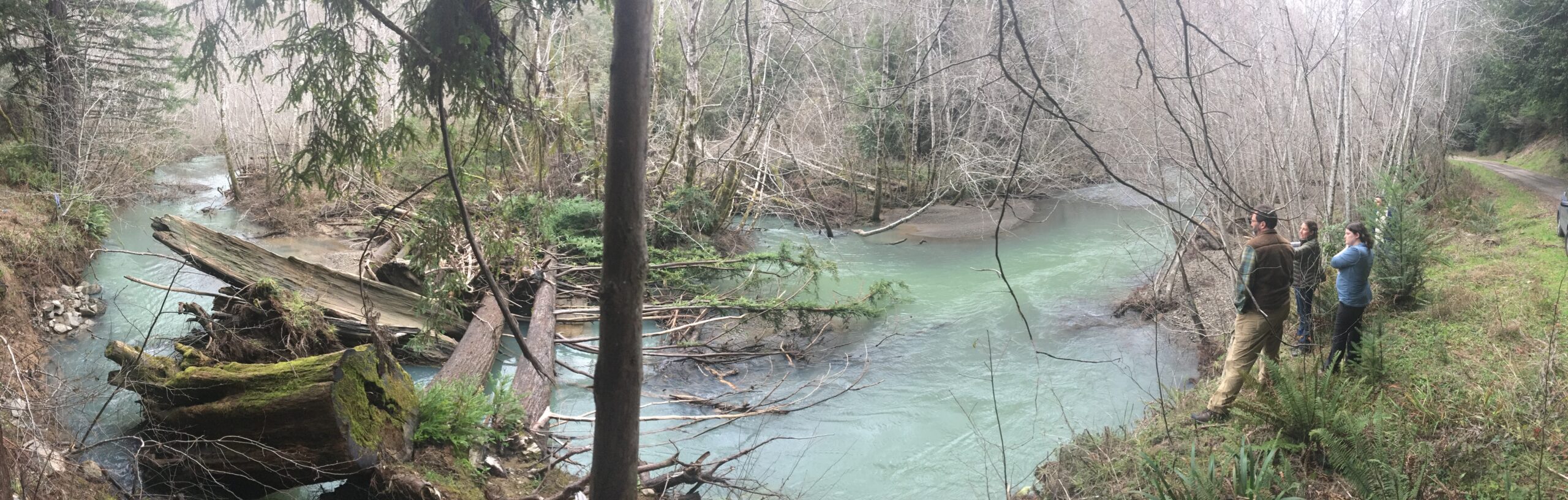
Rising water temperatures are the most direct threat to cold-water trout habitat. As average temperatures increase, trout are pushed into smaller, higher-elevation refugia as lowland streams become too warm to support them. Reduced snowpack, altered precipitation patterns, and more frequent droughts also stress trout populations. Conservation efforts increasingly focus on riparian shading, spring creek protection, and preserving cold-water refugia as thermal buffering zones.
What is catch-and-release and does it actually work to protect fish populations?
Catch-and-release is the practice of returning fish unharmed after capture and is one of the most important tools for maintaining wild trout populations in heavily fished waters. Research consistently shows that properly practiced catch-and-release results in survival rates of 90% or higher for most trout species. Best practices include using barbless hooks, minimizing air exposure, wetting hands before handling fish, and releasing fish in calm, oxygenated water.