What are the essential fly patterns every fly fisher should know how to tie?
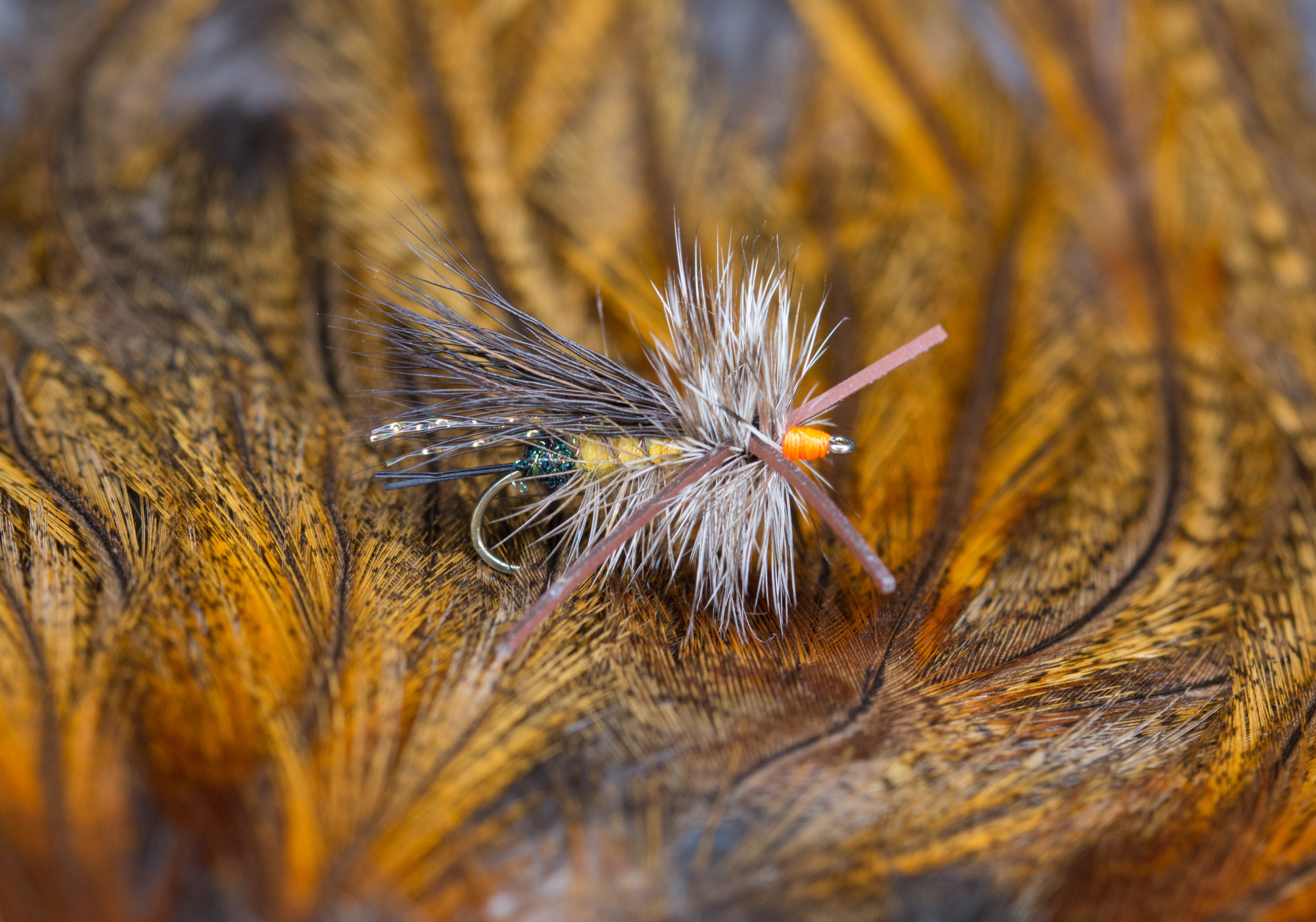
Every fly tier should start with a core set of versatile patterns: the Parachute Adams (covers most mayfly hatches), Elk Hair Caddis (caddisfly adult), Pheasant Tail Nymph (small nymph imitation), Hare's Ear Nymph (general nymph), Woolly Bugger (streamer/attractor), Black Ant (terrestrial), and a basic Midge pattern in sizes 20–24. These seven patterns will cover the majority of trout fishing situations across the country.
What tools do I need to start tying flies?
The essential fly tying toolkit includes a quality vise (a rotary vise is preferred), bobbin, scissors (fine-point and general use), hackle pliers, whip finisher, bodkin needle, hair stacker, and thread. Head cement or UV resin completes the basic setup. Starter kits from brands like Renzetti, Anvil, or Dyna-King offer good value for beginners and include most necessary tools.
What is the difference between dry fly hackle and wet fly hackle?
Dry fly hackle — typically from roosters (capes or saddles) — is selected for stiff, fine fibers that repel water and support a fly on the surface film. Wet fly and nymph hackle comes from hens or soft-feathered birds and has flexible, webby fibers that pulse and breathe in the water, triggering strikes from trout. Genetic hackle from breeders like Whiting Farms has dramatically improved dry fly hackle quality and consistency over the past 30 years.
How do I match a fly pattern to a natural insect hatch?
Effective hatch matching involves observing the size, color, and silhouette of the natural insect on the water, then selecting or tying a fly that replicates those characteristics at the hook size and profile the trout are keying on. Seining the water with a small mesh net to capture naturals is the most accurate method. The key variables are size first, then profile (body shape and wing position), then color — in that order of importance.
What are the best fly tying materials for beginners to start with?
Beginners should stock basic materials that cover the most patterns: black, olive, and brown thread (6/0 or 8/0), a rooster cape for hackle, pheasant tail feathers, hare's ear dubbing, elk or deer hair, peacock herl, copper and gold wire for ribbing, foam sheets, and a selection of hooks from size 10 to 20. These materials, combined with a good beginner pattern book, will produce dozens of effective trout flies.