By Luke Probasco
Lenice Lake, a 100-acre spring-fed impoundment in central Washington’s Columbia Basin Wildlife Area, produces some of the state’s most rewarding still-water trout fishing. Located east of the Columbia River near Crab Creek, the lake supports a robust population of triploid rainbow trout that range from 14 to 18 inches, with fish exceeding 20 inches taken regularly. The Washington Department of Fish and Wildlife stocks these sterile rainbows annually, and their accelerated growth rates—a result of energy diverted from reproduction to feeding—create exceptional fishing opportunities from April through September.
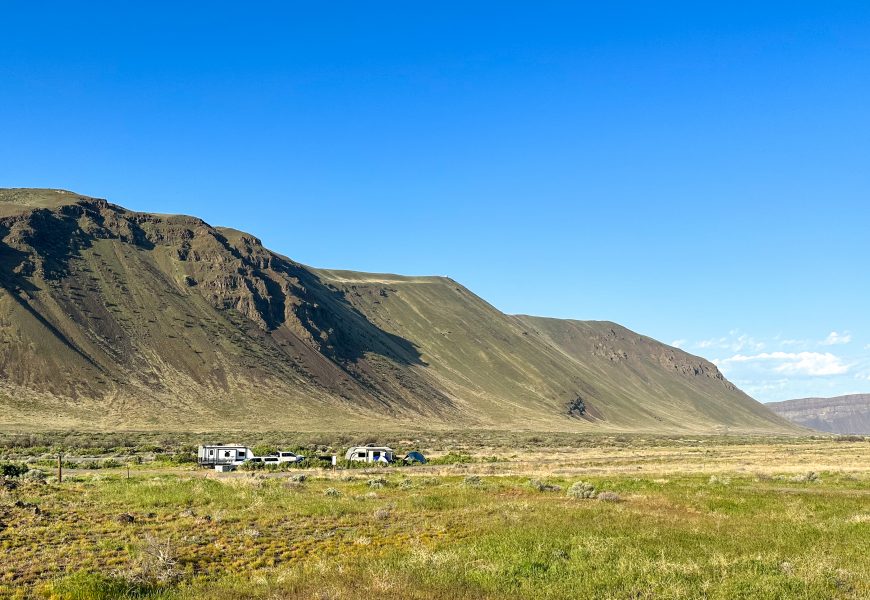
Every Cinco de Mayo weekend, my crew claims one of the three primitive campsites for our annual tradition—tacos, tequila, and triploids. The weekend usually coincides with peak spring fishing, though we’ve learned to bring extra tent stakes for the inevitable wind. The desert wind here can transform the lake from glass to whitecaps in minutes. I’ve seen anglers take refuge on islands, and once I had to be towed in when I forgot oars for my Water Master. Yet some of my largest fish have come while getting blown around like a bath toy—perhaps the wave action dislodges nymphs or gives trout confidence to feed aggressively.
A locked gate prevents vehicle access to Lenice, requiring anglers to walk 0.5 mile from the parking area. Most anglers transport float tubes or pontoon boats on collapsible carts because a watercraft significantly improves access to productive water. While shore fishing is possible, the lake’s best fishing requires covering water efficiently.
Lenice’s structure divides the fishery into distinct zones. The center basin reaches 25 to 30 feet deep, where springs upwell through the bottom. This deep water holds suspended fish, particularly during bright conditions. The eastern shore offers complex structure: channels between small islands, extensive weed beds, and points that create current seams during wind events. The western shore features a gradual slope with consistent weed growth in water ranging from 3 to 12 feet deep—ideal habitat for cruising fish.
These triploids exhibit predictable behavior patterns. They typically cruise in small pods of three to five fish, following established routes along weed edges and structure breaks. The fish patrol methodically rather than randomly, often completing circuits every 20 to 30 minutes. Understanding these patterns allows you to position yourself for intercept presentations rather than relying on blind casting.
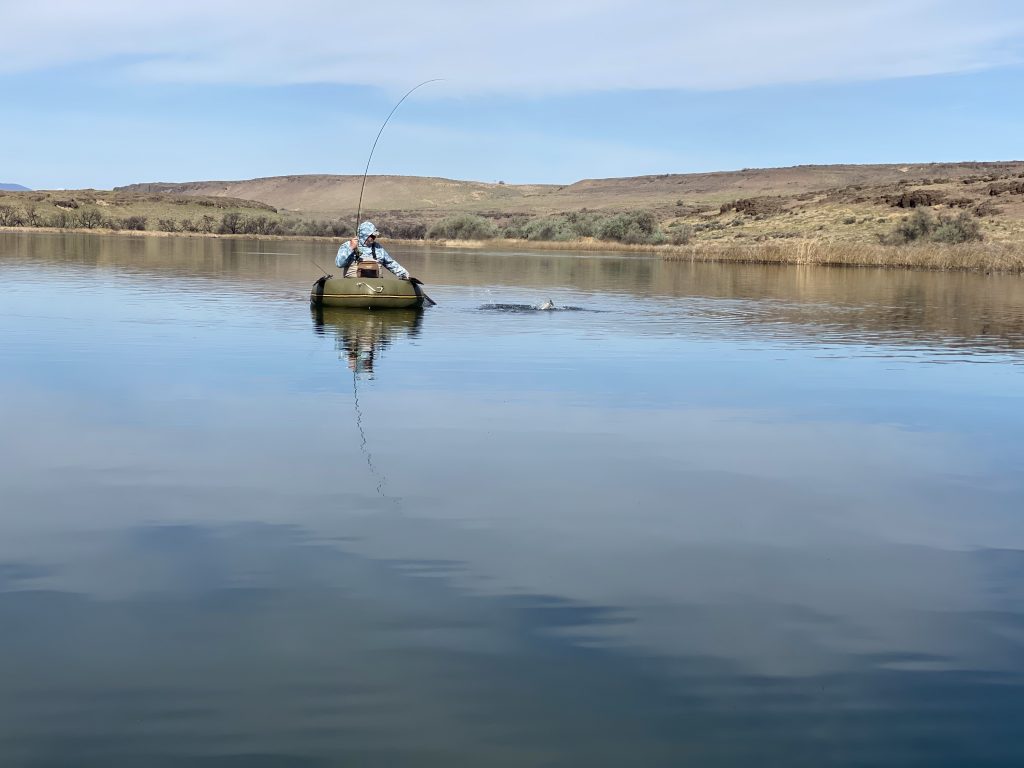
Lenice’s most consistent fishing revolves around two approaches: Chironomid fishing and streamer tactics. Chironomids hatch year-round and provide the lake’s most reliable action. Black, olive, and burgundy patterns in sizes 14 through 18 match the naturals throughout the season. The critical factor is depth—use a countdown method to cover the water column systematically until you locate feeding fish. Once you find the productive depth, maintain it precisely. Even a foot too shallow or deep can mean the difference between consistent action and frustration.
For streamer fishing, focus on patterns that imitate the lake’s forage base. Black, olive, and brown Woolly Buggers in sizes 6 through 10 produce consistently. Leeches in similar colors work well, particularly in fall. The retrieve often matters more than pattern selection. Start with a steady, moderate retrieve—three strips and a pause. If that doesn’t produce, experiment with aggressive, erratic retrieves that trigger predatory instincts. Some days, nearly static presentations work best, barely crawling a leech pattern along the bottom. Pay attention to follows; trout often track streamers for considerable distances before committing.
Mayfly hatches occur sporadically from April through June, but damselfly nymphs deserve special attention from late May through July. During damselfly nymph migrations, trout position themselves along travel routes between deep water and shoreline vegetation. Years ago, during one such migration, I was struggling to hook fish with standard damselfly patterns when an angler named Phil rowed over and handed me an olive creation he called a Hale Bopp—a damselfly variation with a red tinsel body wrapped in wispy olive Simi Seal dubbing that lets the red show through.
“Two-inch strips, then pause,” he said.
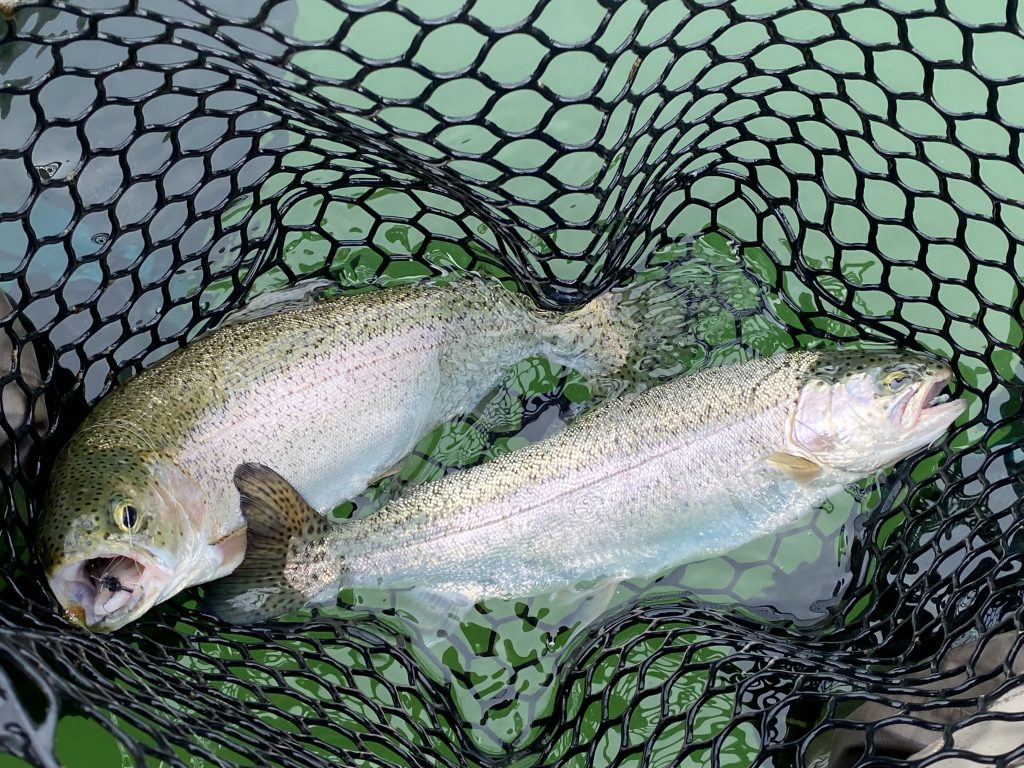
That fly has produced consistently ever since. I was fishing that same Hale Bopp when I experienced something I still have trouble believing. Earlier that morning, I’d lost my entire double-Chironomid rig when a strong fish broke my tippet. Hours later, working the Hale Bopp about 10 feet deep, I hooked something that fought strangely—erratic surges instead of steady runs. At the net, I discovered why: I’d landed two rainbows at once. The larger fish still carried my morning’s lost rig in its jaw, and a second trout had taken the trailing Chironomid. Two fish, one net, and yes, I have the photo to prove it.
Success at Lenice comes from understanding where trout hold throughout the day.
Early morning finds fish cruising the shallows along the eastern shore, particularly where weed beds meet open water. As the sun rises, they move to edges—the seam between shallow and deep water, transitions in bottom structure, or current lines created by wind. During midday, focus on the deepest water or find shade along the western shore’s islands and channels. In evening, trout return to the shallows, often following their morning routes in reverse.
For most situations, a two-rod approach covers all conditions. Rig one 9-foot, 5-weight for fishing Chironomids under an indicator—this stays ready for the consistent midge action. Set up a second rod with a sinking or sinking-tip line for streamer work. This allows quick switches between techniques as conditions change.
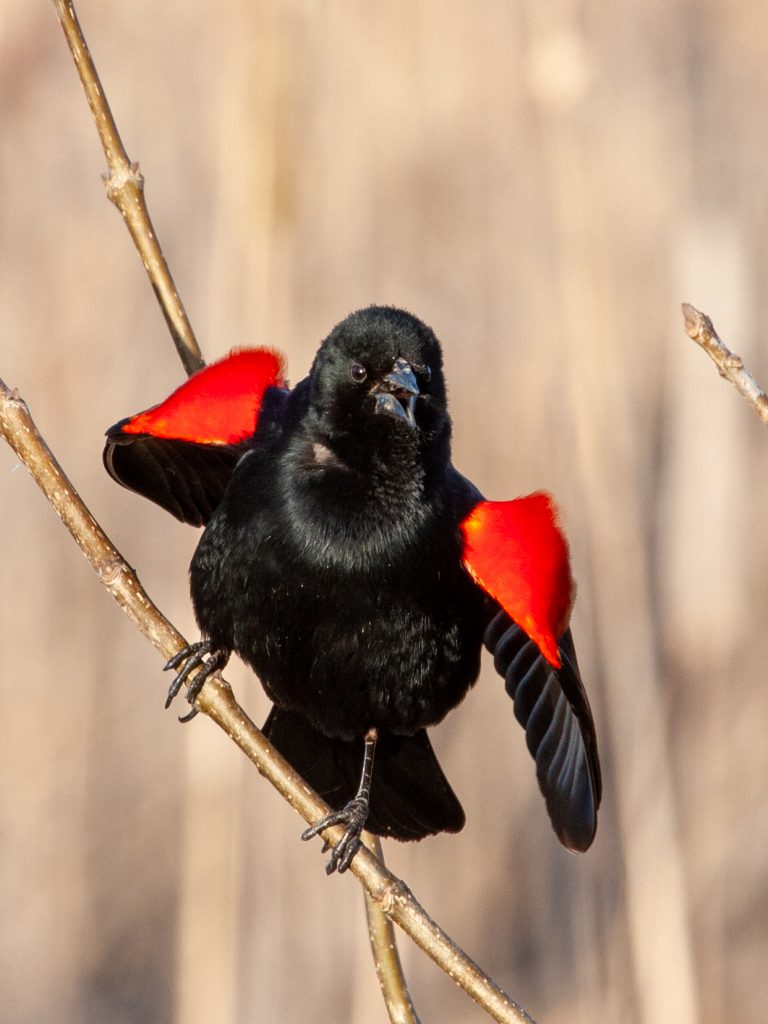
Between casts, Lenice Lake offers unexpected entertainment. Blackbirds nest in the cattails, their calls mixing with occasional sonic booms from jets at the nearby U.S. Air Force base. Waterfowl bob along the edges, and if you’re lucky, you might spot deer that somehow thrive in this desert environment. These distractions become part of Lenice’s rhythm—cast, strip, watch birds chase each other through the reeds, cast again.
Ice-out typically occurs in early March, but wait until mid-April for consistent action. The first three weeks of May provide the year’s most reliable fishing. September offers a second peak as trout feed heavily before winter. Time of day matters less than conditions—overcast days with light chop produce all-day action, while bright, calm days require early morning commitment or deep-water tactics. Lenice fishes best from late April through June, and again from September through early October. If you make the trip on Cinco de Mayo weekend, stop by our camp. Look for the crew with the loudest laughter and most disorganized setup—that’ll be us. The margaritas are cold, and the stories get better with each telling.